Understanding the psychological triggers that influence gambling behavior
The Allure of Risk and Reward
The thrill of gambling often stems from the psychological principle of risk versus reward. When individuals engage in gambling, they experience an adrenaline rush that can be both exhilarating and addictive. This psychological response is deeply rooted in the brain’s reward circuitry. Winning can lead to a rush of dopamine, a neurotransmitter linked to pleasure, which reinforces the behavior and encourages repeat gambling. In light of this, many players find valuable information at https://www.allcakedupbylisa.com/, which highlights the dynamics of these experiences.
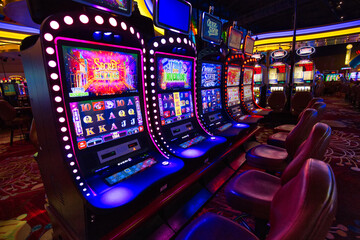
Moreover, the anticipation of a potential win creates a heightened emotional state. This leads many gamblers to rationalize their behavior, often believing that the next bet could lead to a significant payoff. This belief can become a powerful motivator, obscuring the reality of the odds and the likelihood of loss.
Cognitive Biases and Misconceptions
Cognitive biases play a crucial role in shaping gambling behavior. Many gamblers fall prey to the illusion of control, believing they can influence outcomes based on past experiences or superstitions. This mindset fosters a false sense of confidence, encouraging continued gambling even in the face of consistent losses. Understanding these gambling myths debunked can offer insight into why some individuals persist in risky behaviors despite negative results.
Additionally, misconceptions surrounding gambling often perpetuate risky behavior. For instance, the gambler’s fallacy, the belief that past outcomes affect future results, can lead individuals to make irrational betting choices. Understanding these cognitive biases is essential for recognizing their influence on gambling habits and promoting healthier decision-making.
The Social Environment and Peer Influence
The social context in which gambling occurs can significantly impact an individual’s behavior. Friends, family, and social networks can either promote or discourage gambling activities. Positive reinforcement from peers who share similar gambling habits can normalize the behavior, making it more appealing and accepted.
Furthermore, social events often incorporate gambling as a form of entertainment, further blurring the line between casual fun and compulsive gambling. The collective excitement during group betting can enhance the psychological thrill, making it challenging for individuals to recognize when their gambling habits have crossed into problematic territory.
Emotional Triggers and Coping Mechanisms
Many individuals turn to gambling as a coping mechanism for emotional distress. Anxiety, depression, and stress can trigger a desire for escape, and gambling may provide a temporary relief. This pattern can lead to a cycle where gambling becomes a means to manage negative emotions, further entrenching the behavior.
Additionally, the emotional highs associated with winning and the lows from losing can create a rollercoaster effect that keeps individuals engaged. Recognizing these emotional triggers is crucial for understanding why some individuals develop gambling problems, as they often seek to replicate the fleeting highs while struggling with the lows.

Your Guide to Safer Gambling Practices
As you explore the world of gambling, it’s essential to stay informed and make responsible choices. Understanding the psychological triggers that influence your behavior can empower you to approach gambling with a healthier mindset. This website offers valuable resources and insights into safe gambling practices, ensuring you enjoy the experience while minimizing risks.
From understanding cognitive biases to recognizing emotional triggers, our comprehensive content aims to equip you with the knowledge needed for informed decision-making. Explore our expert reviews and guides to find the best online casinos that prioritize player safety and responsible gaming.